
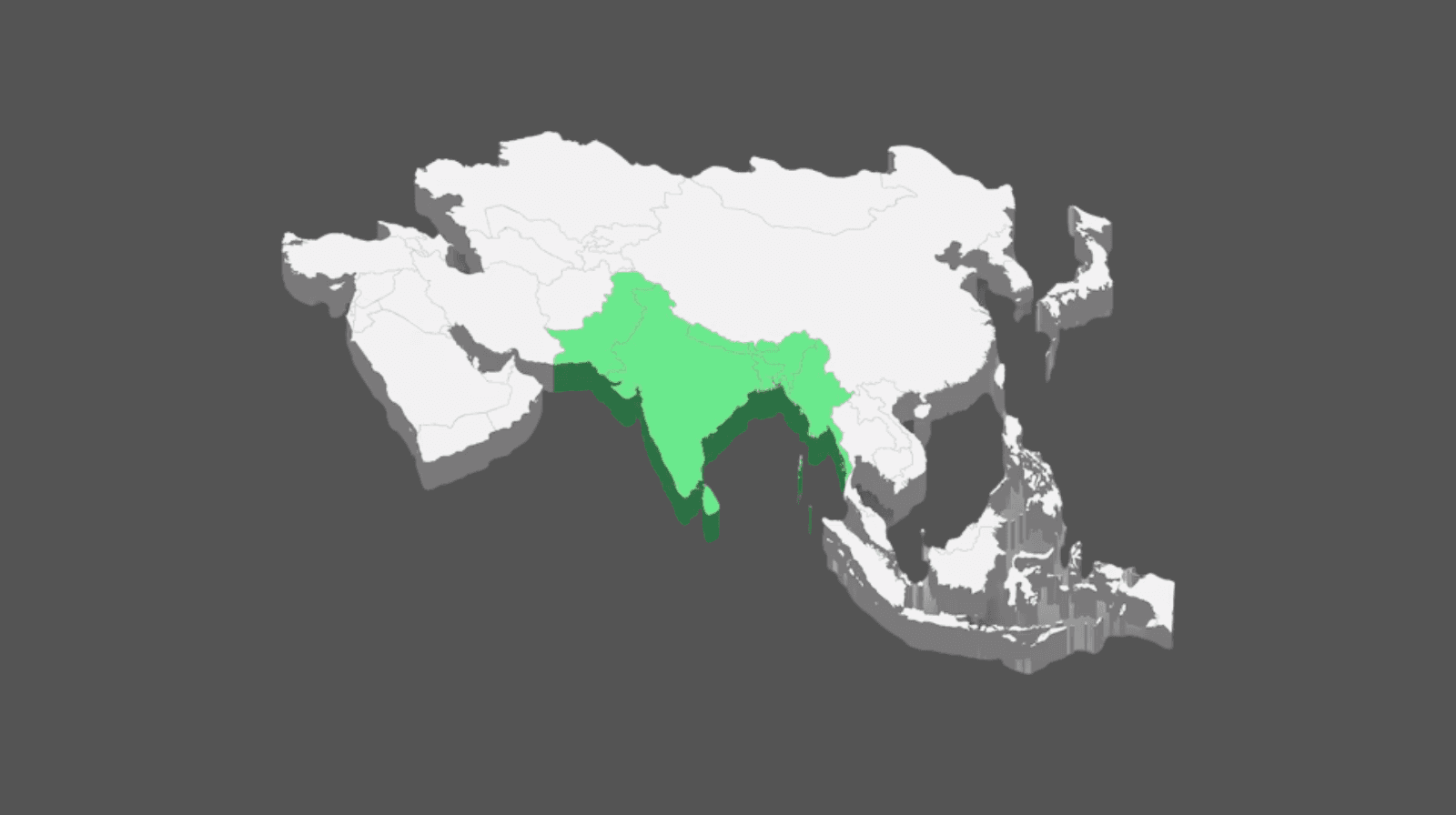
The internet never sleeps — and neither do the adversaries who exploit it. In 2026, South Asia stands at the center of one of the most consequential cybersecurity transformations in the world. A region of 2 billion people rapidly digitizing its economies, governments, and daily lives is simultaneously becoming one of the most targeted — and most contested — cyber theaters on earth.
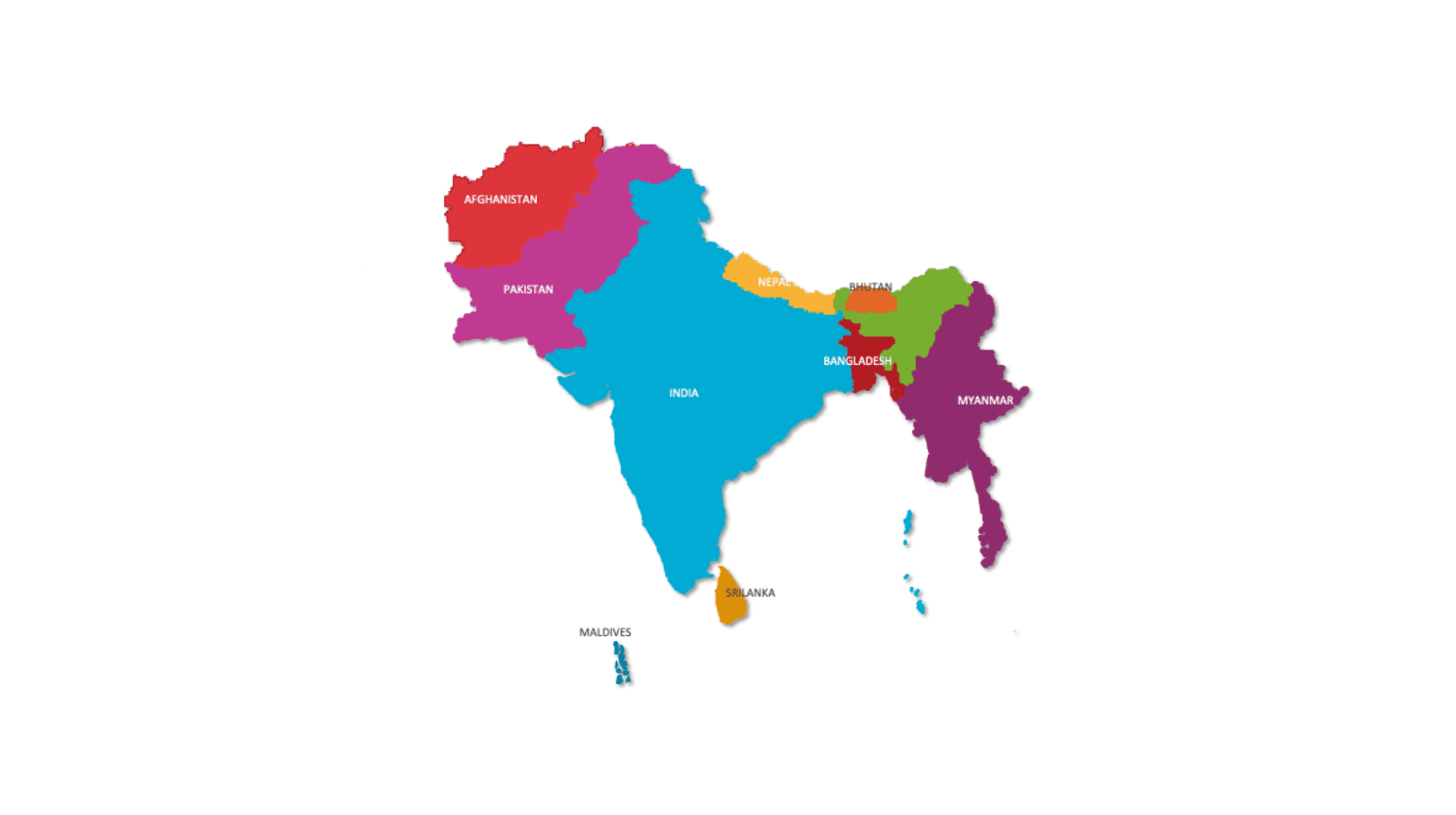
For organizations operating in Bangladesh, India, Pakistan, Sri Lanka, and Nepal, the question is no longer whether you will face a cyberattack. It is when, from whom, and how prepared you are when it arrives.
The Threat Landscape Is No Longer Abstract
South Asia's cyber crisis is well-documented and accelerating. Bangladesh alone faces over 63 million cyberattacks annually, with its financial sector absorbing roughly 630 attacks per day. The 2023 government data breach affecting 50 million Bangladeshi citizens exposed the raw vulnerability of public digital infrastructure — and the full consequences of that exposure are still unfolding in 2026.
India's position is equally precarious. Its cyberspace is the second most targeted in the world. Between 2019 and 2023, cyberattacks on Indian government systems increased by 138 percent. In 2024, India's Computer Emergency Response Team handled over 2.04 million cyber incidents — a number that rose sharply following the April 2025 Pahalgam attack, which triggered over 1.5 million additional cyberattacks targeting Indian government organizations, public sector companies, and military facilities in a matter of weeks.
Across the subcontinent, adversaries are no longer ad hoc hacktivists. They are organized, patient, and politically aligned.
Geopolitics Has Moved Into Cyberspace
The India–Pakistan standoff of April–May 2025 became the defining case study of geopolitical cyber conflict in South Asia. When the conflict escalated following the Pahalgam terrorist attack, cyberspace became a parallel battlefield. Over 480 cyberattacks targeted both nations in a matter of weeks, with India bearing the brunt — more than 400 incidents, compared to Pakistan's 80, reflecting India's larger digital attack surface and broader geopolitical exposure.
Bangladesh was not a bystander. Indian and Bangladeshi hacktivists leveraged each other's institutions as proxies, attacking educational infrastructure and government portals in reciprocal escalation. Meanwhile, a newly identified espionage campaign — attributed to an India-nexus threat actor known as SloppyLemming — ran for a full year beginning in January 2025, targeting government agencies and critical infrastructure operators in Pakistan, Bangladesh, and Sri Lanka using malware delivered through malicious PDFs and Excel documents.
The message is unambiguous: in South Asia, cyber operations have become instruments of statecraft. Geopolitical tensions no longer stay on borders — they detonate inside networks.
This is consistent with what the World Economic Forum's Global Cybersecurity Outlook 2026 identifies as the defining trend worldwide: 64% of organizations globally are now accounting for geopolitically motivated cyberattacks as part of their core risk strategy. South Asia is not the exception — it is the leading edge.
AI Is Rewriting the Rules of Attack and Defense
Globally, 94% of surveyed executives identify AI as the most significant driver of change in cybersecurity in 2026. In South Asia, this trend has lethal specificity.
Attackers in the region are using AI to craft hyper-personalized phishing campaigns, generate deepfake content for disinformation operations, and accelerate malware development cycles beyond what traditional security monitoring can detect. During the 2025 India–Pakistan standoff, AI-driven deepfake videos of Indian political leadership — including fabricated statements attributed to the Prime Minister — were deployed as weapons of cognitive warfare, flooding social platforms to manipulate public perception.
On the defensive side, AI offers the possibility of a fundamental shift: from reactive breach response to predictive, proactive threat neutralization. For organizations in South Asia — many of which are still operating legacy security infrastructure — the window to make this transition is closing.
At DentiSystems, our core architecture was built on this premise. DentiGrid, our flagship platform, deploys autonomous AI-driven honeypots that evolve dynamically to attract, analyze, and neutralize threats before they reach core infrastructure. In a threat environment where attackers operate at machine speed, defenders can no longer afford to be human-paced.
Ransomware, Phishing, and Credential Theft: The Persistent Triad
Despite the drama of state-level cyber warfare, the most consistent threats organizations in South Asia face are familiar ones — executed with increasing sophistication.
Ransomware remains the dominant financial threat globally in 2026, driving over half of all cyberattack categories. Phishing is the entry point of choice: 91% of successful breaches begin there. And credential theft — identity-based attacks targeting account takeover and impersonation — continues to surge as organizations move their operations into cloud environments.
In Bangladesh's banking sector, 24% of daily cyberattacks originate from China, 13% from North Korea, 12% from Russia, and 7% each from the US and Pakistan. These are not opportunistic attacks. They are structured campaigns targeting financial data, credentials, and critical sector access — often coordinated months before a visible breach occurs.
The supply chain dimension is equally urgent. Cybercriminals increasingly exploit weaker SME defenses to breach larger, more secure organizations through trusted vendor relationships. In Bangladesh, this is particularly acute in the financial services, telecommunications, and energy sectors — where smaller partners provide the entry point for high-impact intrusions that a direct frontal attack could never achieve.
The Talent and Awareness Gap: South Asia's Achilles Heel
Technology is only half the battle. South Asia faces a structural challenge that no platform or product alone can solve: a severe and growing shortage of cybersecurity professionals.
Across the region, executive-level awareness of cyber risk remains dangerously low. IT firms consistently report recruitment challenges, and the pace of digital transformation is far outrunning the development of the human expertise needed to secure it. The World Economic Forum notes that 57% of public sector organizations globally cite lack of cybersecurity expertise as a top concern — in South Asia, where public digital infrastructure is expanding fastest, this gap is most dangerous.
The cybersecurity market in Bangladesh was valued at approximately USD 185 million in 2024 and is projected to reach USD 409 million by 2030 — a compound annual growth rate of roughly 14%. This growth reflects genuine investment momentum. But investment without expertise, and tools without trained operators, create a false sense of security that sophisticated adversaries are expert at exploiting.
Building cyber resilience in South Asia in 2026 requires three parallel commitments: deploying the right technology, developing local expertise at scale, and embedding cybersecurity awareness into organizational culture from the executive suite down.
What Organizations Must Do Right Now
The 2026 threat landscape demands a departure from conventional, perimeter-based security thinking. Here is what organizations operating in South Asia must prioritize:
1. Shift from Reactive to Proactive Security Waiting for an alert after a breach is not a strategy — it is a surrender. Proactive threat detection, honeypots, and offensive security assessments must become standard practice, not emergency responses.
2. Invest in Threat Intelligence The organizations navigating 2026 most effectively are those with continuous, contextual intelligence about who is targeting them and how. Threat intelligence is not a luxury — it is the foundation of informed defense.
3. Harden the Supply Chain Every vendor with access to your network is a potential attack vector. Conduct rigorous third-party security assessments, enforce minimum security standards for partners, and monitor vendor activity continuously.
4. Prioritize Identity and Credential Security Identity is the new perimeter. Multi-factor authentication, credential monitoring, and behavioral anomaly detection are non-negotiable layers of defense in an environment where phishing and account takeover dominate attack vectors.
5. Plan for Geopolitical Cyber Events If your organization operates in South Asia, geopolitical flashpoints are a business continuity risk. Develop cyber incident response plans that account for coordinated, politically-timed attack surges — not just isolated technical incidents.
6. Build Internal Cyber Literacy Technology protects systems. Educated people protect organizations. Regular training, phishing simulations, and board-level cyber risk briefings are as important as any platform you deploy.
DentiSystems: Built for This Moment
DentiSystems was founded in Bangladesh with a clear-eyed view of what the regional threat landscape demands. We are not a product catalog. We are a cybersecurity posture — one built on the conviction that early-stage intervention and offensive intelligence are the only credible answers to adversaries who move faster than traditional defenses can respond.
From DentiGrid's autonomous honeypot ecosystem to DentiGuard's offline Bluetooth threat detection, LeakScan's credential monitoring, and PhishRisk's active phishing defense — every solution in our stack was designed for the South Asian reality: complex, contested, and urgent.
The digital frontline is not coming. It is already here. The organizations that understand this — and act accordingly — are the ones that will still be standing when the next wave of attacks arrives.
The question is not whether you need enterprise-grade cybersecurity. The question is whether you have it.
DentiSystems provides next-generation cybersecurity solutions for organizations across South Asia. To learn how DentiGrid, DentiShield, or our full security suite can protect your infrastructure, visit denti.systems or contact our team today.
